
edge lit mirror
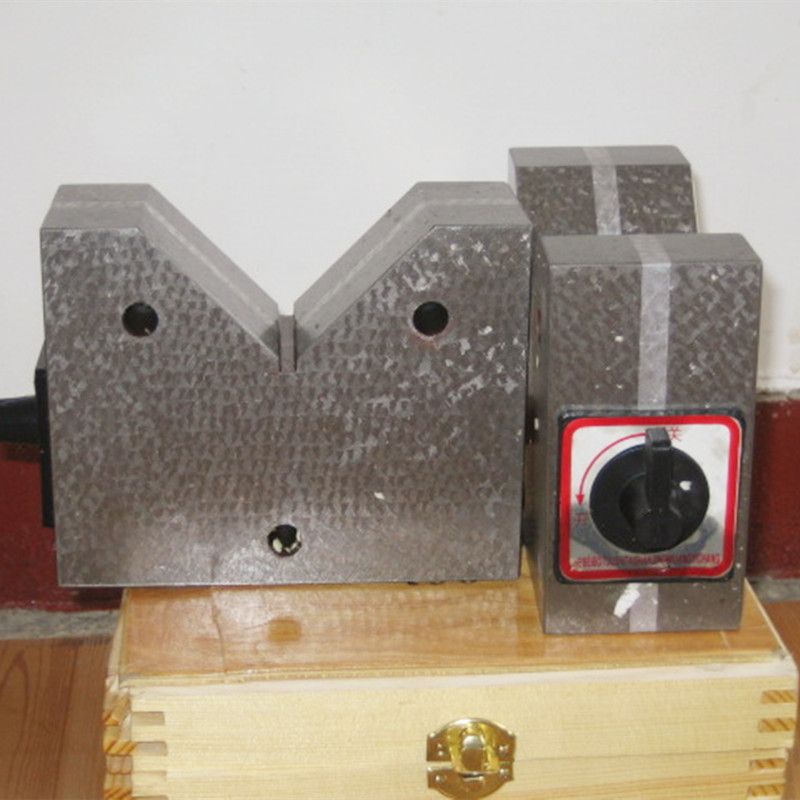
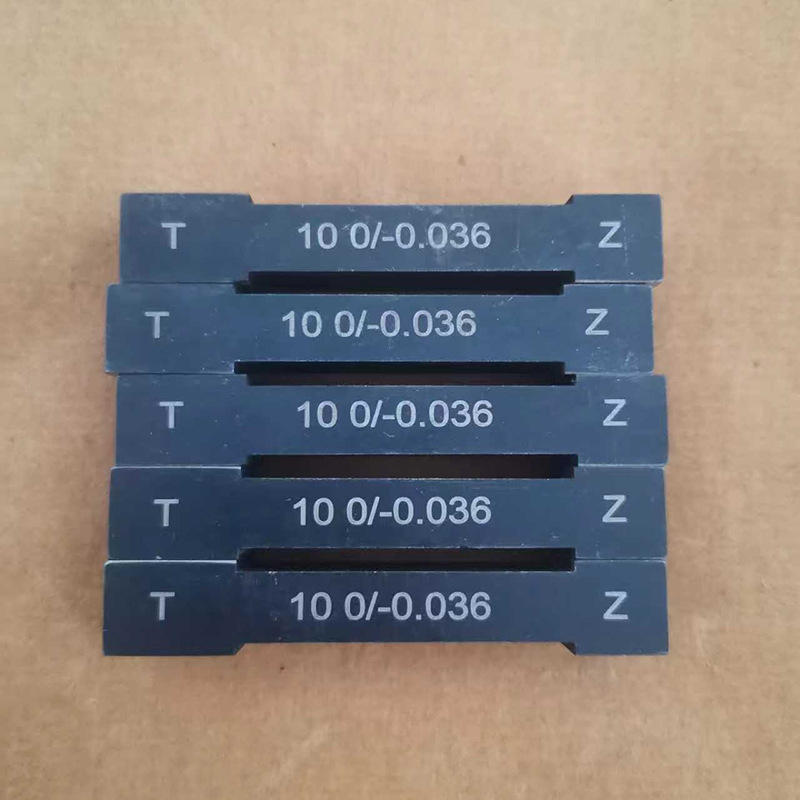
Understanding Thread Angle Gauge A Essential Tool for Precision Engineering In the world of manufacturing and precision engineering, the accuracy of threaded components is pivotal. When it comes to ensuring that screws, bolts, and nuts fit together seamlessly, one tool stands out for its importance the thread angle gauge. This instrument, often overlooked, plays a critical role in maintaining quality and consistency in mechanical assemblies, particularly in industries ranging from automotive to aerospace. What is a Thread Angle Gauge? A thread angle gauge is a specialized tool designed to measure the thread angle of various fasteners. Most threads follow standard profiles, which typically fall into specified angles, such as 60 degrees for unified threads and 55 degrees for metric threads. The gauge allows engineers and machinists to verify that the threads on a fastener conform to these standards, ensuring that they will fit properly with corresponding components. Why is Thread Angle Important? Thread angle is integral to the performance of a threaded fastener. An incorrect angle can lead to misalignment, reduced load-bearing capacity, and ultimately, mechanical failure. When parts are produced to incorrect specifications, the costs can be significant, not only in terms of rework and waste but also in potential safety hazards. Therefore, measuring the angle accurately is crucial for applications that rely on precise engineering. Types of Thread Angle Gauges There are several types of thread angle gauges, each with its specific use case thread angle gauge 1. Digital Thread Gauges These high-tech devices offer precise readings and can often store measurement data for later analysis. They are ideal for high-volume production environments where consistency is key. 2. Mechanical Thread Gauges These traditional gauges utilize physical scales or templates and are often easier to use in field conditions. They are reliable and provide quick assessments without the need for batteries or electronic components. 3. Go/No-Go Gauges This variation helps quickly determine if a part meets dimensional standards. If an angle is within the Go range, the part is acceptable; if it falls into the No-Go range, it fails inspection. How to Use a Thread Angle Gauge Using a thread angle gauge is straightforward but requires attention to detail. First, select the appropriate gauge based on the thread specifications. Place the gauge onto the threaded component, ensuring it is securely seated within the grooves. Read the angle indicated on the gauge. If using a digital gauge, ensure you have properly calibrated it before measuring. Regular use of a thread angle gauge in quality control processes can significantly enhance product reliability. It is advisable for engineering teams to incorporate these gauges into their standard operating procedures, particularly for critical applications where thread integrity is paramount. Conclusion The thread angle gauge may seem like a simple tool, yet it embodies the complexities of precision engineering. As industries continue to push the boundaries of technology and efficiency, ensuring that components fit together perfectly requires meticulous attention to detail. By employing a thread angle gauge, manufacturers can uphold quality standards, minimize failures, and enhance the safety and reliability of their products. As such, this unassuming tool is not just an accessory in the workshop; it is an essential component of modern engineering's commitment to excellence.
about
edge lit mirror
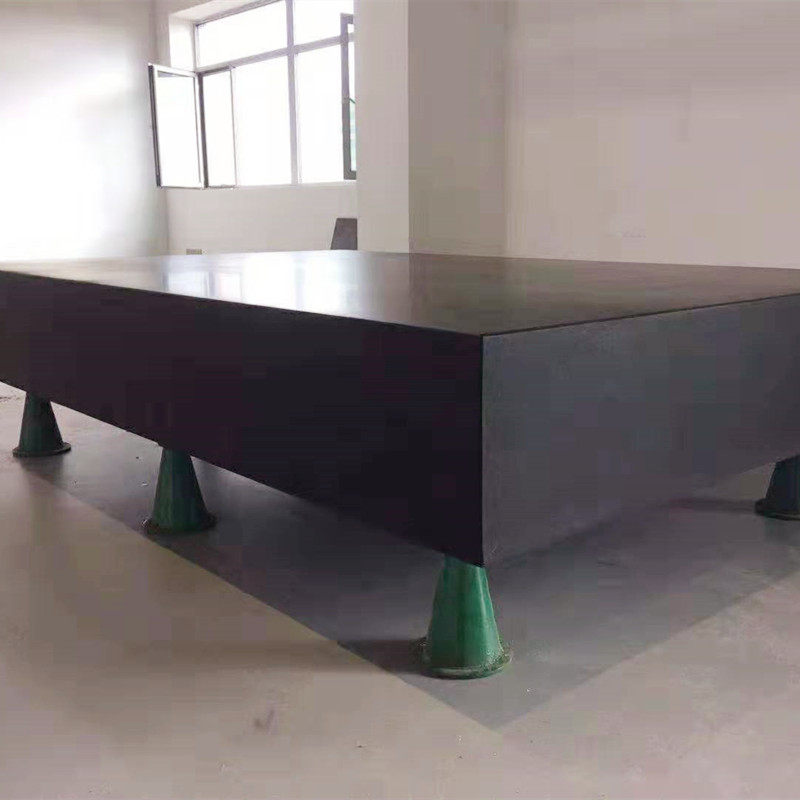
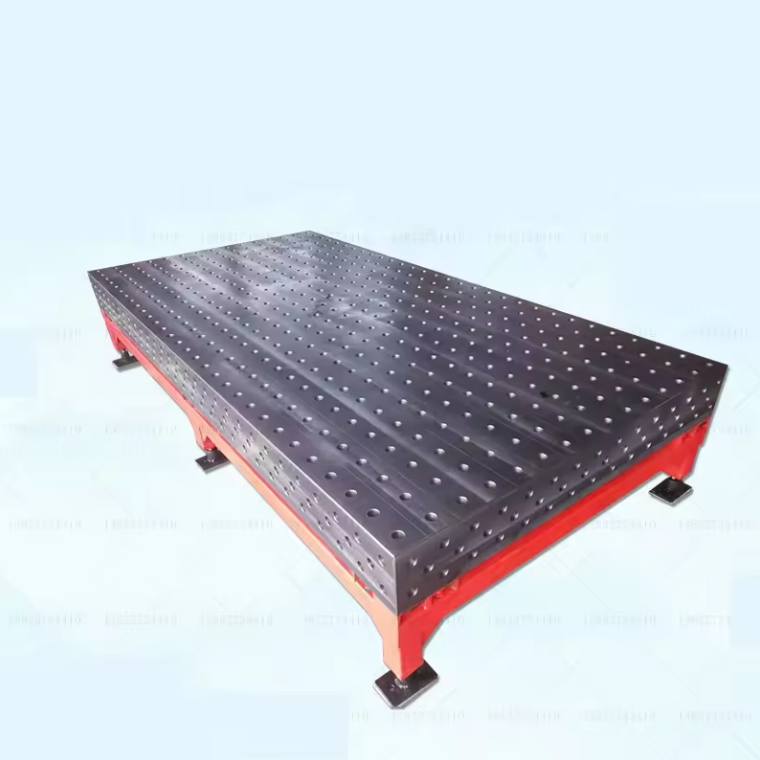
Precision 3D Welding Tables Revolutionizing Manufacturing Processes In recent years, the manufacturing industry has witnessed a significant transformation with the advent of advanced technologies. Among these innovations, precision 3D welding tables have emerged as essential tools for enhancing productivity and accuracy in various welding applications. This article will explore the advantages and functionalities of precision 3D welding tables, highlighting their impact on modern manufacturing processes. Precision 3D Welding Tables Revolutionizing Manufacturing Processes One of the primary benefits of using precision 3D welding tables is the enhanced accuracy they provide. Traditional welding methods often suffer from inconsistencies due to misalignment of components. However, with the use of 3D welding tables, components can be positioned and aligned accurately, significantly reducing the margin of error. This level of precision not only improves the quality of the welds but also enhances the overall structural integrity of the final product. precision 3d welding table Moreover, the use of 3D welding tables streamlines the workflow in manufacturing environments. The ability to create a dedicated workspace for each project minimizes setup time and allows for a more organized approach to welding tasks. Workers can easily transition between different projects, as the modular design of these tables accommodates various configurations and setups. This efficiency is particularly beneficial in high-volume production settings, where time is of the essence. In addition to improving accuracy and efficiency, precision 3D welding tables contribute to employee safety. With adjustable heights and secure fixture systems, operators can work at comfortable positions, reducing the risk of strain and injury associated with traditional welding setups. Furthermore, these tables often come equipped with safety features such as integrated grounding systems and protective barriers, further ensuring a safe working environment. The integration of advanced technologies into 3D welding tables has further amplified their effectiveness. Some models are now equipped with digital displays that provide real-time feedback on critical welding parameters, such as temperature and pressure. This technological advancement enables welders to make informed adjustments during the process, leading to even greater precision and quality. In conclusion, precision 3D welding tables represent a leap forward in the realm of welding technology, offering a multitude of advantages that enhance both the quality of workmanship and the efficiency of manufacturing processes. Their ability to provide accurate alignments, streamline workflows, and improve worker safety makes them indispensable in modern industrial applications. As the demand for high-quality, customized products continues to rise, the role of precision 3D welding tables will undoubtedly become even more prominent, shaping the future of manufacturing for years to come.
-

High quality industrial productsagement

High quality industrial products
View Details -

Meet the diverse needs of customers

Meet the diverse needs of customers
View Details -

Strict quality control

Strict quality control
View Details -

Top raw materials

Top raw materials
View Details -

Trusted supplier

Trusted supplier
View Details
Our application

news and information
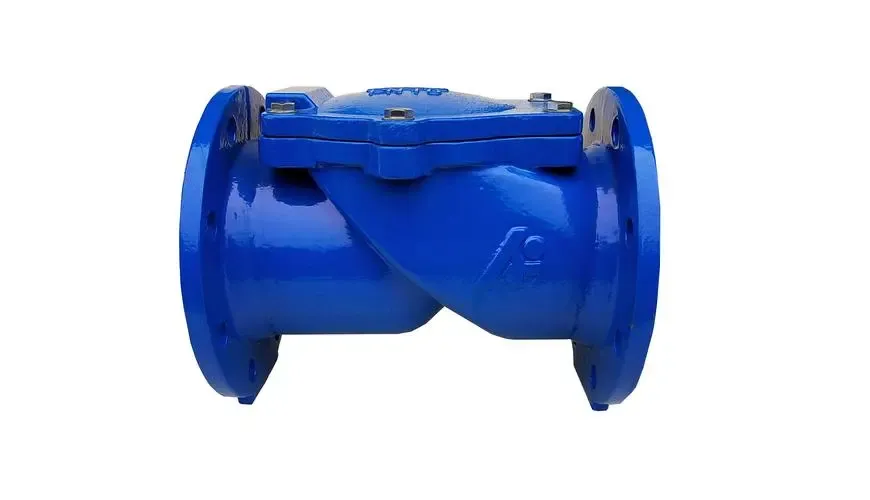
Valvola a sfera da 36 pollici per applicazioni industriali e acquedotti
La valvola a ghigliottina da 36 pollici è un componente fondamentale in molti sistemi industriali e
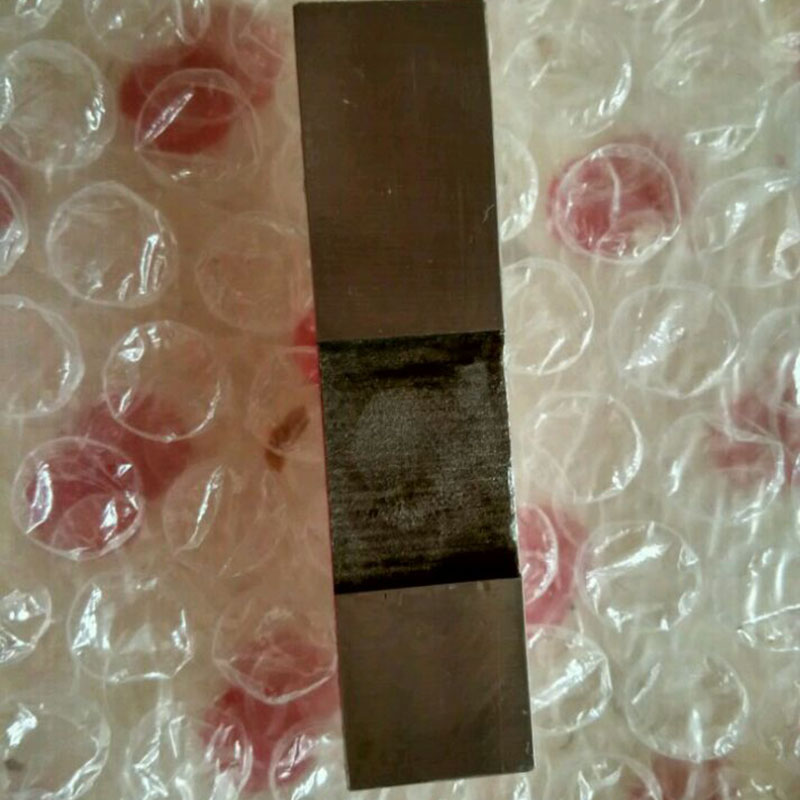
Using Ring Gauge for Precision Measurements in Quality Control Testing
The Importance of Ring Gauges in Quality Control In the world of manufacturing and engineering, prec
Valvola a saracinesca 1500
Valvole a Sfera 1500 Caratteristiche e Applicazioni Le valvole a sfera sono uno dei componenti fonda
 English